

Making Space for What Deserves Attention
Sometimes a nearly forgotten word is exactly what is needed to understand something of the present. ROOMTH once meant room, place and spaciousness. Today, it can describe something that appears to be becoming increasingly scarce: the ability to give one thing our full attention. It is not only about the physical space around us, but also about the space we consciously make for something. For concentration, an experience, a thought, an object or another person.
More images, products and messages are competing for our attention at the same time. They are created, shared and replaced before we have truly taken the time to look. Digital platforms encourage us to move continuously from one impression to the next, while AI is accelerating this process even further. Within seconds, a thought can become a text, an image or an entire visual world. This brings new creative possibilities, but it also changes the value of attention. When images can be produced almost without limit, the time we devote to a single image, material or idea becomes more meaningful.
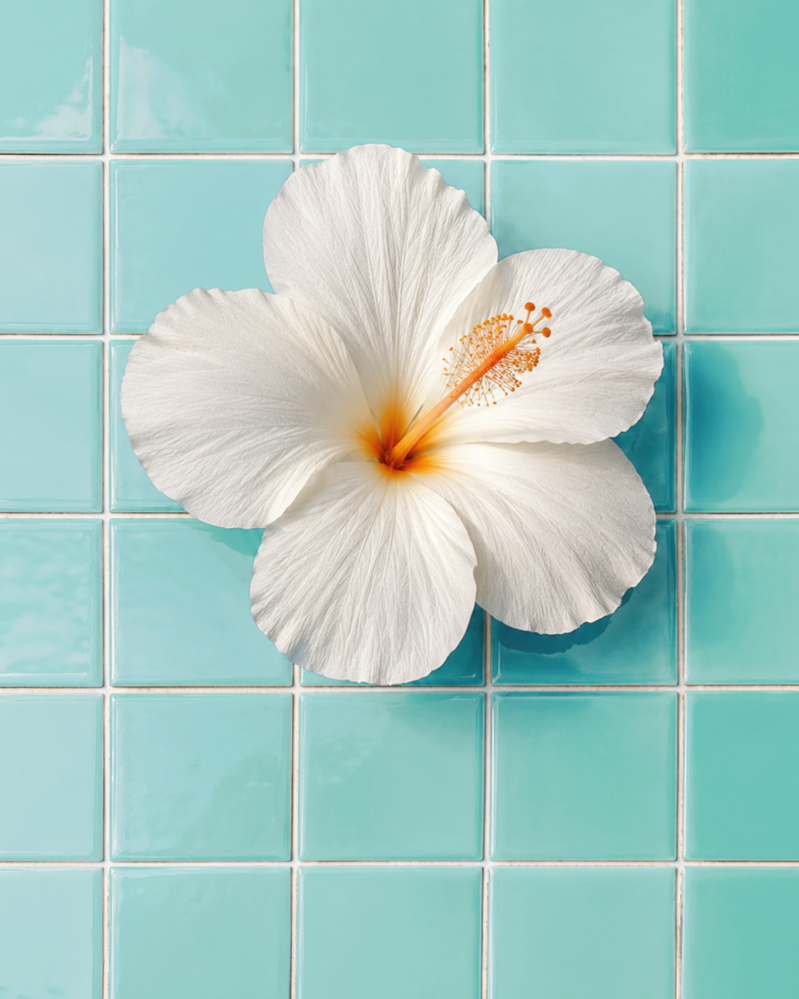
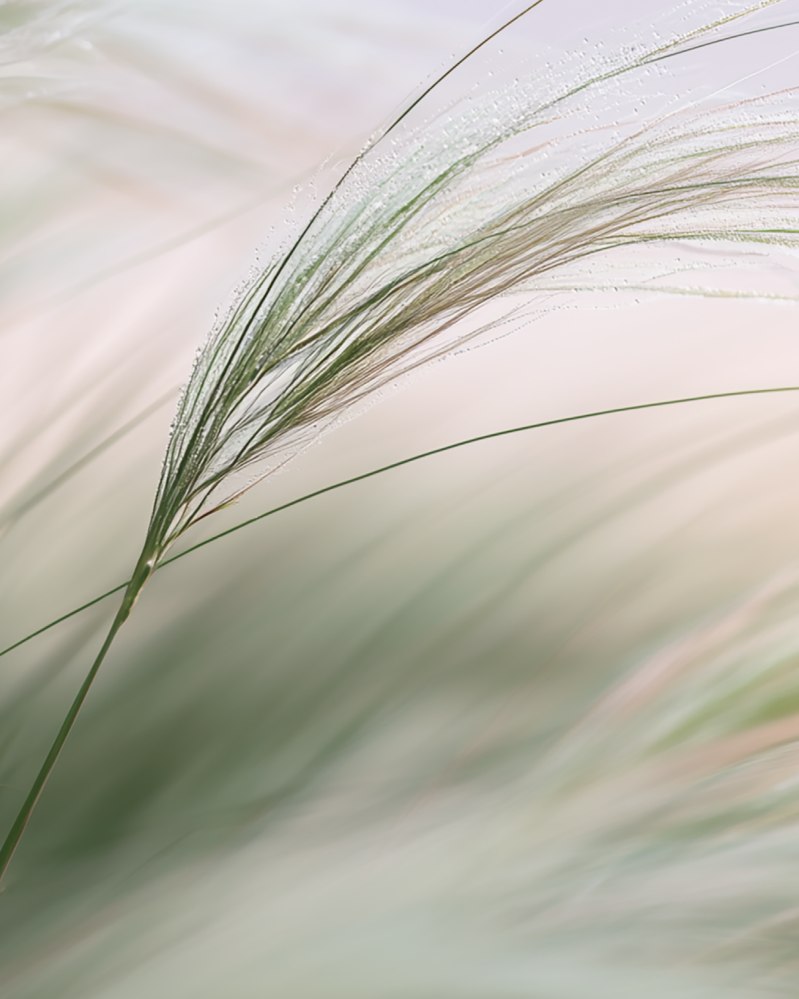
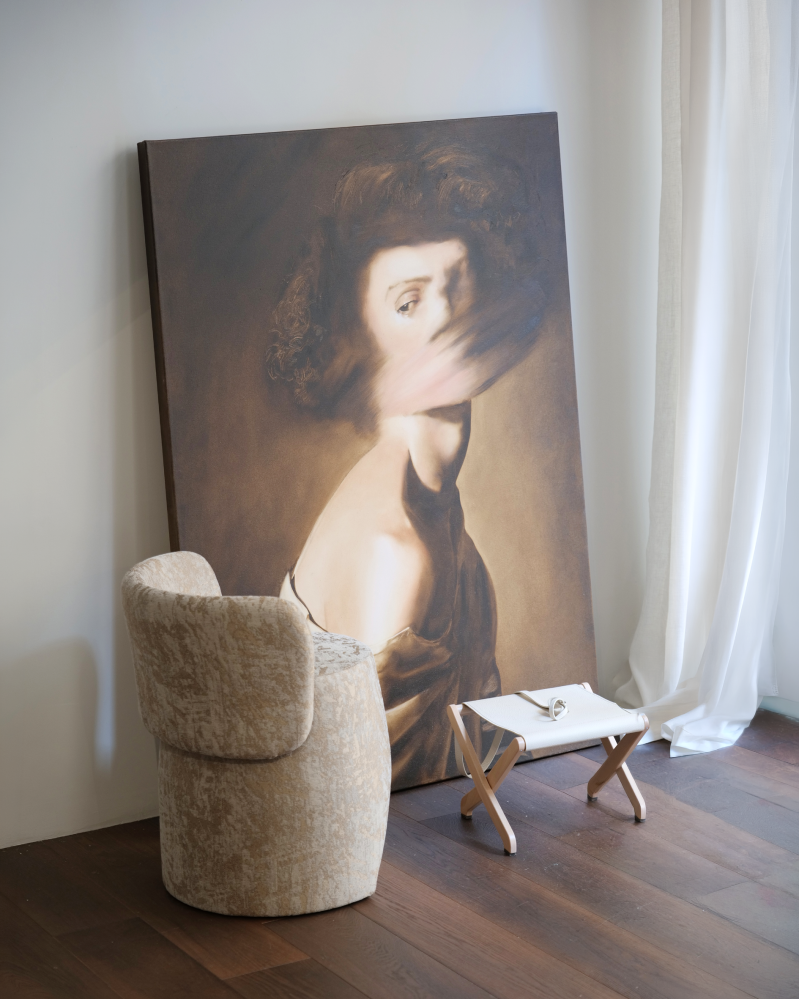
Perhaps this is why there is a growing desire to hold on to moments that would otherwise disappear immediately. A brushmark preserves the movement of the hand that made it. In a photograph, wind can become visible through grass caught in motion. Glass may appear to solidify at the point between flowing and becoming still, while a flower exists in precisely one form for only a short time. Such images and materials do not ask for a passing glance. They invite us to notice how something came into being and which traces of movement, time or touch remain within it.
While developing ATHOME Spring Summer 2028, I became increasingly aware of the role attention plays in my own working process. I usually spend weeks working intensively towards a deadline, with the pressure increasing as the book moves closer to completion. This time, I consciously made room for one project. I spent less time on social media, reduced other distractions and temporarily placed social commitments lower on my list of priorities. The working days were no shorter, but my mind was calmer. Because I was not constantly switching between different subjects, I could become fully absorbed in the research and development of the book. Undivided attention began to feel almost like a form of luxury.
This need for focus is also becoming visible across interiors and design. Not every surface has to be filled and not every object needs to tell its story at the same time. One carefully chosen colour can provide more direction than an entire palette. A form becomes stronger when its construction remains legible, while an object gains presence when the space around it becomes part of the composition. Innovation does not always have to begin by adding something new. It can also emerge through selecting, rearranging and learning to look again at what already exists.
In my research, I never look only at objects, colours and materials, but also at their surroundings and origins. Which books are lying on the table, which techniques keep returning and which earlier ideas remain relevant? More brands and designers are exploring their own archives, libraries and previous collections. Designs are being reissued, anniversaries are becoming moments of reflection and familiar forms are being reconsidered from a contemporary perspective.
At a time when almost everything is instantly available online, physical sources are gaining renewed significance. Books, material samples, drawings, photographs, colour references and older objects possess a depth that cannot be fully captured in a fleeting digital image. They show that every development has a history. The past is not a destination to return to, but active material for what comes next.
Making space does not mean returning to the cool minimalism of the 1990s. The new desire for space is warmer, more tactile and more human. Colour remains important, but is used with greater consideration. Materials are allowed to reveal their structure, texture and origin. Transparent glass, open textiles, light metal constructions and carefully assembled wood can organise a space without making it feel heavy or enclosed. Clarity is combined with softness, natural references and small irregularities that keep the making process visible.
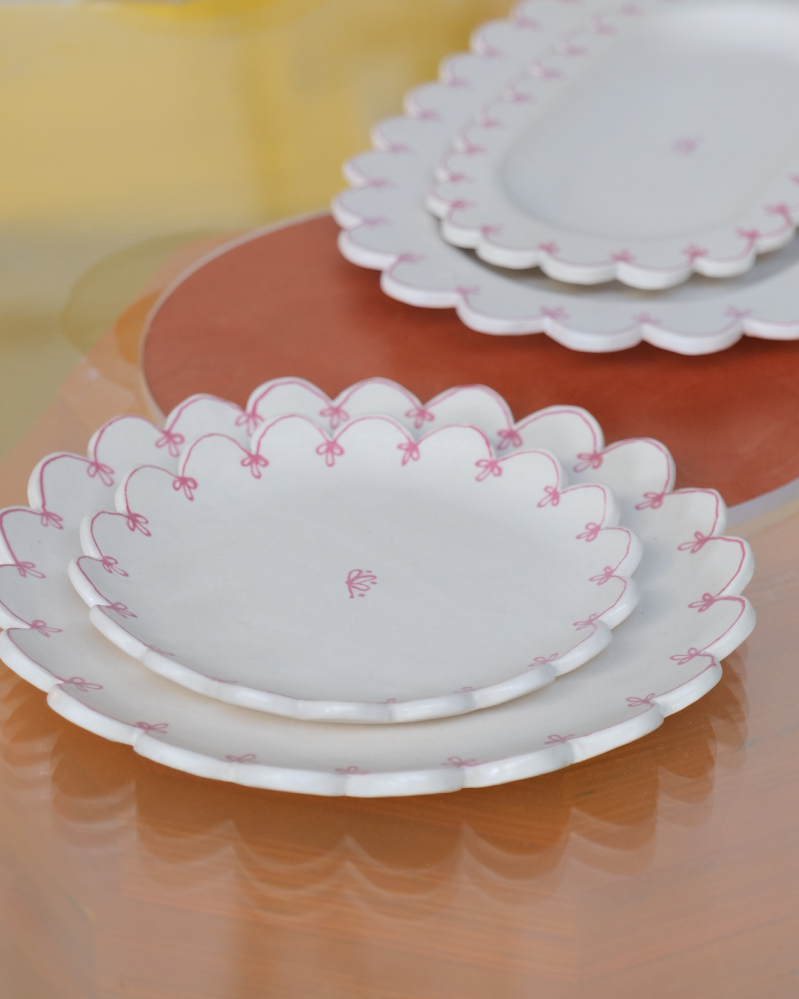
ROOMTH is not only visual. Scent occupies space, as does sound. Temperature, softness and touch shape the way we experience a place, often before we consciously analyse its design. Space is social too. Two chairs facing one another can create the conditions for conversation. A bowl or pieces of tableware can invite sharing, while an object can become a reason to gather, pause or connect. Hospitality is then not only about how an environment looks, but about what it makes possible.
After years in which ‘look at me’ often dominated presentations, interiors and brand experiences, ‘what can I do for you?’ becomes a more interesting question. A brand, shop or interior does not always have to play the leading role. It can also act as the host, creating the conditions in which people, materials, objects and stories are given genuine attention.
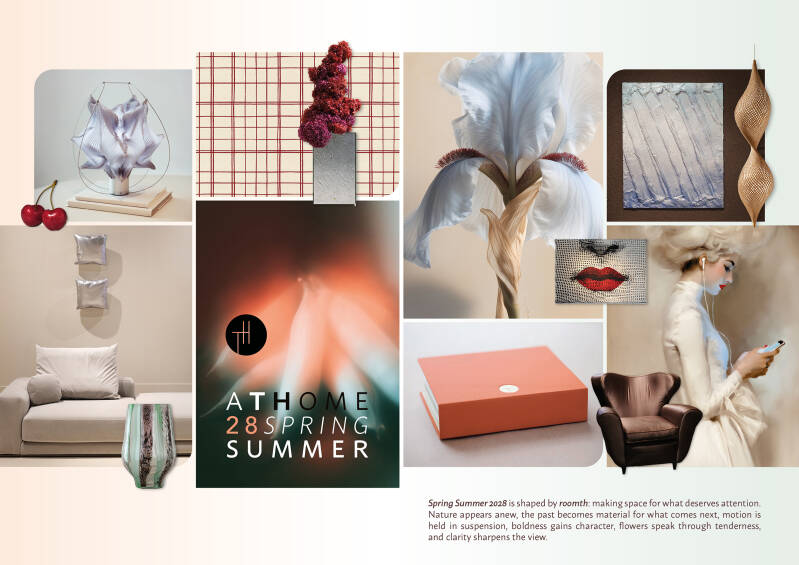
ROOMTH is the title of this editorial and one of the six directions within ATHOME Spring Summer 2028. More importantly, it expresses the central thought behind the book: consciously making space for what deserves attention. This idea returns throughout the way colour, material, form, finish and atmosphere are explored and connected. The future is shaped not only by what we add, but also by what we decide to preserve, emphasise and leave open.

Add comment
Comments